Amphitheatrum Flavium - Kolosseum
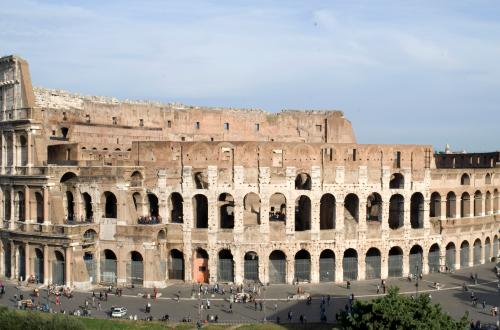
Amphitheatrum Flavium - Kolosseum
Monumente
 Condividi




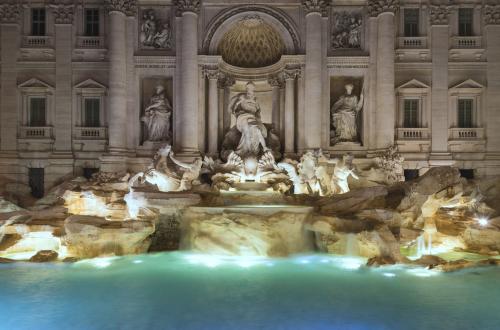
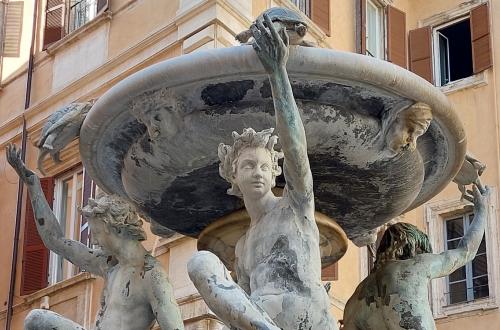
The most famous of the Roman fountains: a jewel of water and stone
Secondo la leggenda, la storia di Roma comincia proprio da qui

An unmissable opportunity to plan your own future in the field of Fashion
Rome is a perfect destination for tourism and in particular for school trips
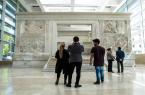
The inestimable artistic heritage of Rome is the preferred destination for the many students who decide to benefit from the many cultural opportunities that the city offers
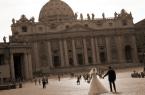
Rome is the perfect choice for a romantic and refined wedding, enriched by a millenary history

Tradition, sartorial mastery, and innovative technologies in a unique setting
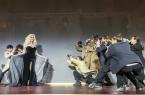
Glamour, myth and beauty: a city where even fashion is a legend
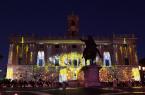
Beauty and art, magnificent spectators of a thousand-year history
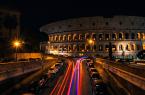
The endless opportunities for fun in Rome

Rome is the ideal destination for Tourism Business

Presentati al Convention Center La Nuvola i risultati di FUTOUROMA
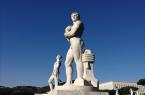
How and where to see live sporting events

Come e dove allenare corpo e mente nella seconda capitale più verde d'Europa
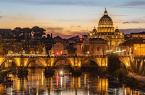
History, fascinating facts, and useful information to fully experience the magic of the Eternal City
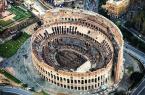

Seven unusual itineraries to discover the city from new perspectives
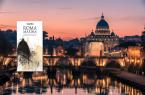
Stories, places, and secrets – a guidebook to an eternal city.

A puzzle of voices and experiences: bloggers explain Rome
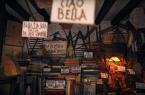
The collective novel that gives voice to the stories of people and places of an unknown Rome
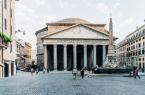
Reichtum, Prunk und Pracht, eingetaucht in die Magie der Geschichte
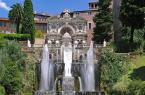
Entdecken Sie Tivoli und seine wunderschönen Villen


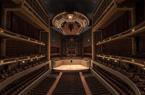

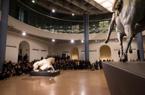

Un itinerario tra architetture millenarie e ardite visioni contemporanee
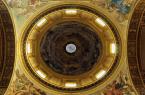
Rom, die ideale Kulisse für Meisterwerke des Kinos und große Melodien
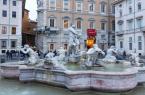
Eine Reise in die Museen der Piazza Navona und Umgebung

Eine Route für diejenigen, die nur wenig Zeit haben, um die Sehenswürdigkeiten Roms kennenzulernen

Rom erleben in drei intensive Tage
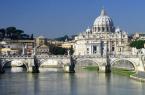
A perfect five day itinerary for an unforgettable Roman holiday

Indoor & outdoor activities and attractions

Discovering precious collections from prehistory to contemporary art

Die Küche von Roms: intensive, unverfälschte Aromen und eine starke Identität

Die Meeresseele Roms
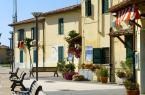
Aromen und alte Traditionen an einem Ort, an dem die Zeit still zu stehen scheint
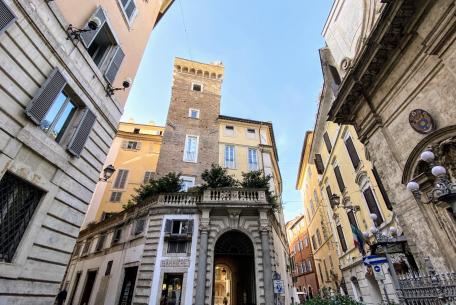
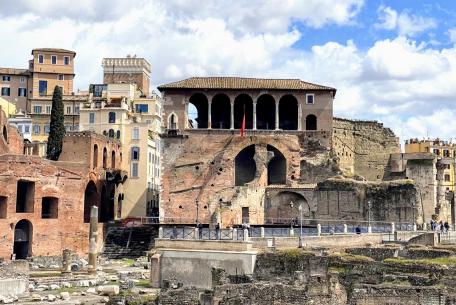
Während des Mittelalters gab es in Rom zeitweise bis zu dreihundert Wohntürme, zusammen mit den Glockentürmen der Kirchen verliehen sie der Stadt ein nach oben strebendes, raues Aussehen.
[...]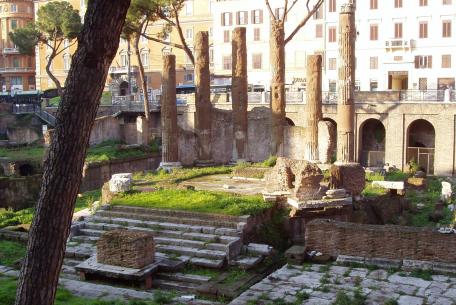
Zwischen 1926 und 1929 wurde das alte Stadtviertel abgerissen, das sich damals über Via del Teatro Argentina, Via Florida, Via S. Nicola de‘ Cesarini und Corso Vittorio Emanuele ausdehnte.
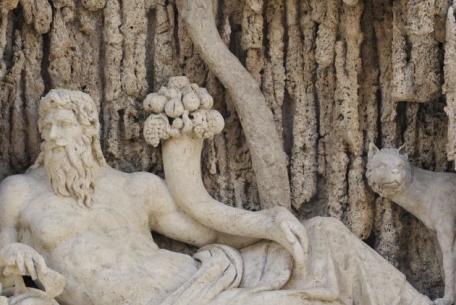
The fountains are located at the corners of the four buildings located at the intersection of Via delle Quattro Fontane with Via XX Settembre, each within a niche.
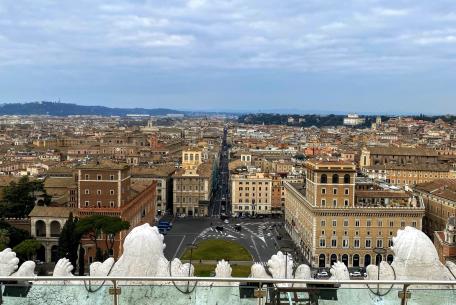
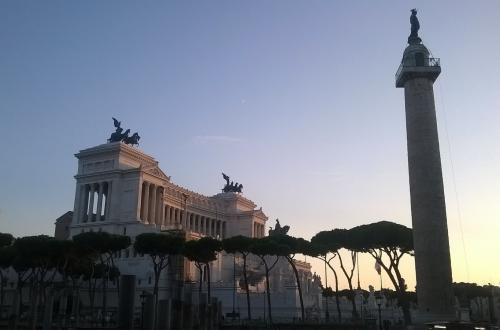
Die Terrasse des Vittoriano, des italienischen nationaldenkmals für Viktor Emanuel II.
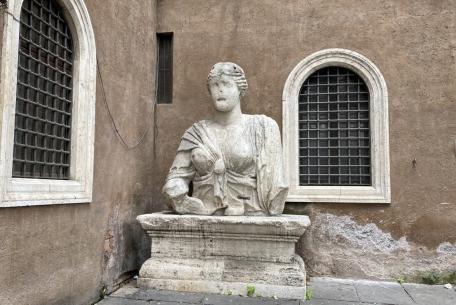
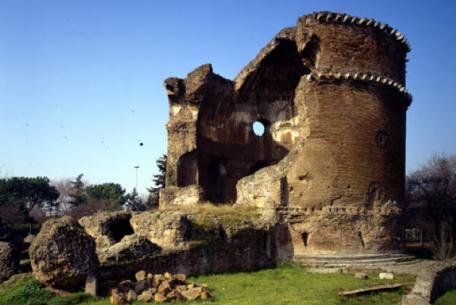
Mitten im Grünen der Villa Gordiani liegen die Ruinen einer frühchristlichen Basilika und die Überreste der Patriziervilla und des Mausoleums der Gordianer, einer kaiserlichen Fami
[...]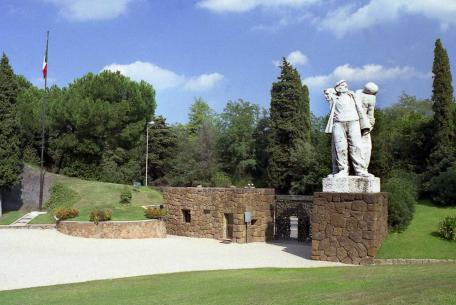
Die Fosse Ardeatine, die Ardeatinischen Höhlen sind zum Symbol für die Resistenza, dem italienischen Widerstand, geworden: der Ort gelangte zu trauriger Berühmtheit infolge des Massakers von 335 it
[...]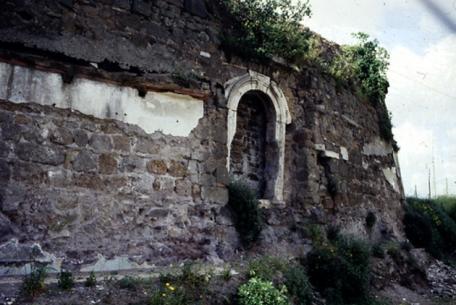
The Mausoleum is located along via Prenestina, near Porta Maggiore and has a diameter of about 41 meters; the imposing funerary monument is among the large
[...]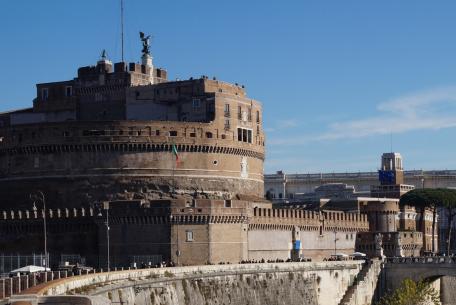
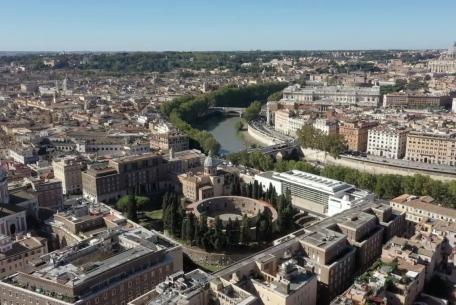
Der Bau des Mausoleums wurde um 130 n.Chr. begonnen und im Jahre 139 n.Chr., einem Jahr nach dem Tod des Kaisers Hadrian (117-138 n.Chr.) vollendet.
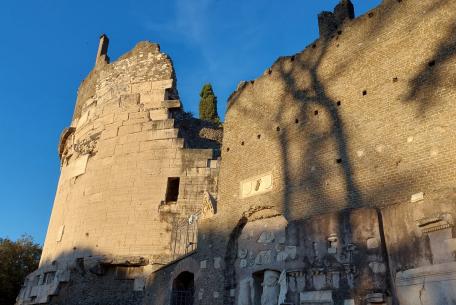
Mit seiner Erhabenheit und Eleganz kann das Mausoleum von Cecilia Metella als eines der symbolischen Monumente der antiken Via Appia betrachtet werden.
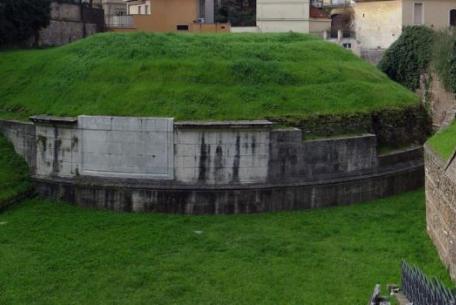
Das Mausoleum von Marcus Lucilius Paetus (aus den letzten Jahren des 1.
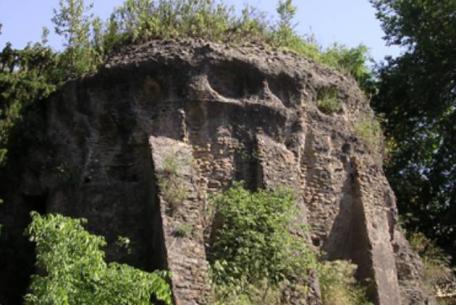
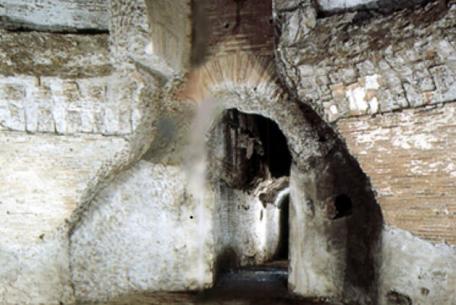
Das Mausoleo Monte del Grano ist eines der imposanteren Grabmonumente der Antike. Es befindet sich am 4.
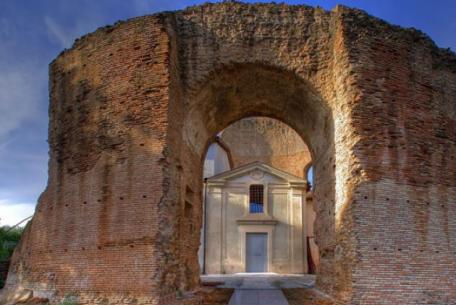
The monument is located in the region once called “ad duas lauros”, crossed by the via Labicana, today via Casilina.
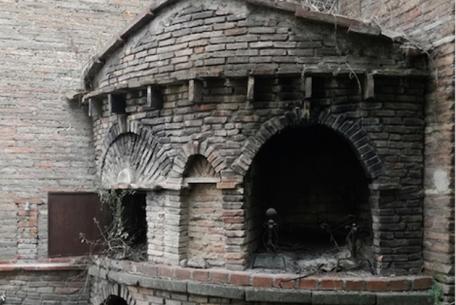
The Mausoleum of Sant’Urbano is located on a side street that departs from the via Appia Antica at th
[...]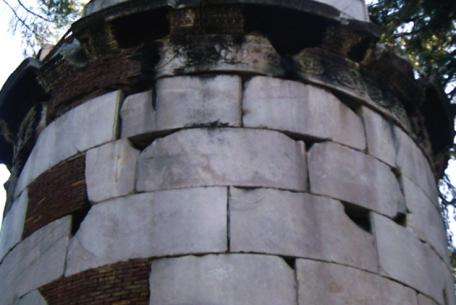
The Mausoleum stands along the ancient via Flaminia, near the current Viale Tor di Quinto and can be dated between the 1st and 2nd centuries.
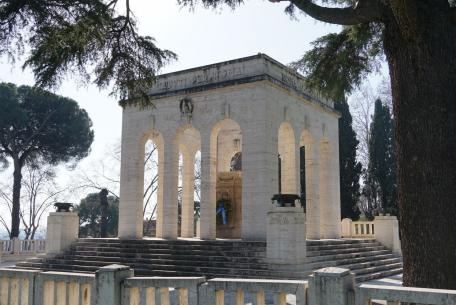
Das garibaldinische Mausoleum und Beinhaus befindet sich auf dem Hügel Gianicolo in einer Ortschaft namens Colle del Pino, wo zwischen dem 30.

Vor dem Konstantinsbogen ist noch heute der Grundriss eines antiken Brunnens zu erkennen, des Meta sudans, dessen imposante Reste im Jahr 1936 entfernt wurden.
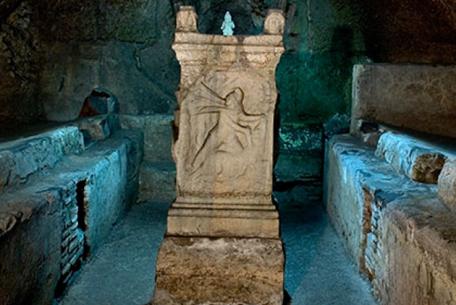
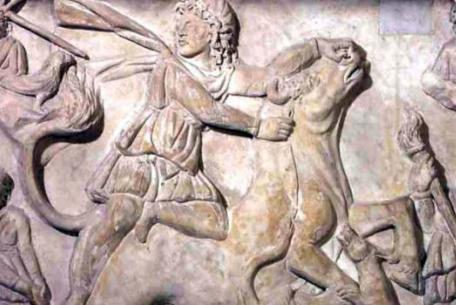
The mitreo was discovered in the thirties during the building of the set storage facility for the Teatro Nazionale dell’Opera.
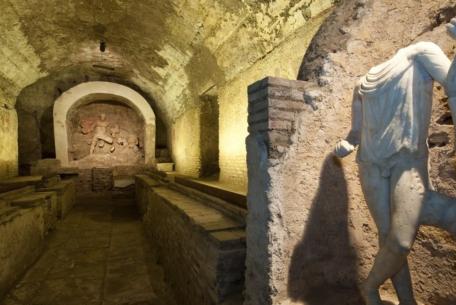
The Mithraeum was discovered by chance in 1934 under the Church of Santa Prisca by the Augustinian Fathers; to build it, the walls of two buildings were used: one
[...]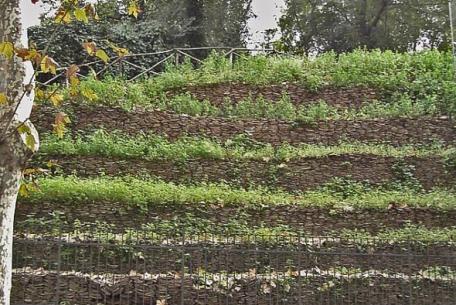
Der Monte Testaccio, im Volksmund auch Monte dei Cocci genannt, ist ein künstlicher Hügel im Hafengebiet des antiken Roms, in der Nähe der Horrea (Lagerhäuser).
[...]
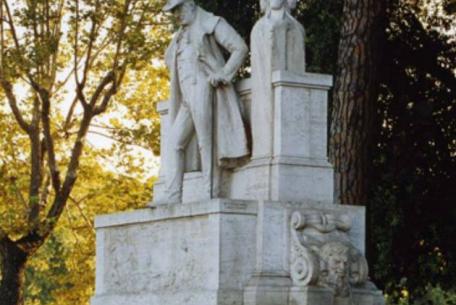
“Nun fuss’antro pe ttante antichità
bisognerebbe nassce tutti cquì,
perché a la robba che cciavemo cquà
c’è, sor friccica mio, poco da dí”
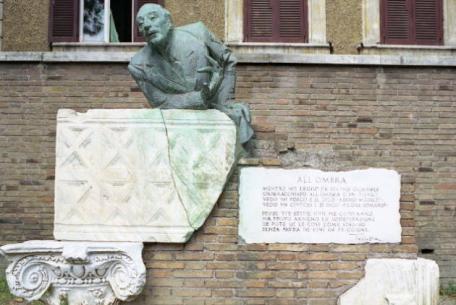
The monument, dedicated to one of the most famous Roman poets, stands in the square n
[...]
Condividi
 Condividi
 Condividi
 Condividi
 Condividi
 Condividi
 Condividi