Amphitheatrum Flavium - Kolosseum
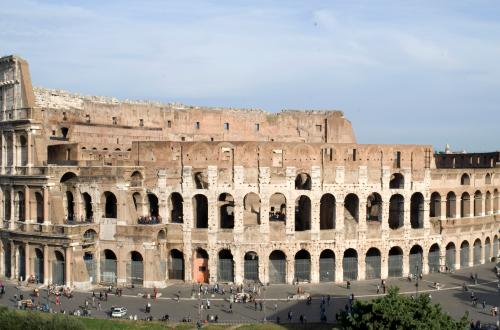
Amphitheatrum Flavium - Kolosseum
Monumente
 Condividi




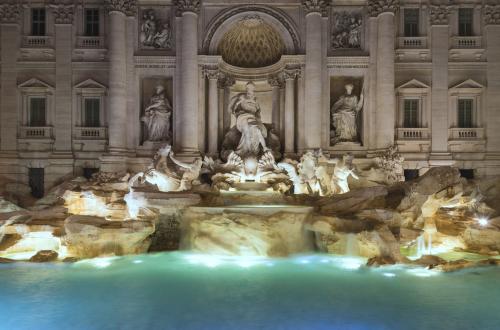
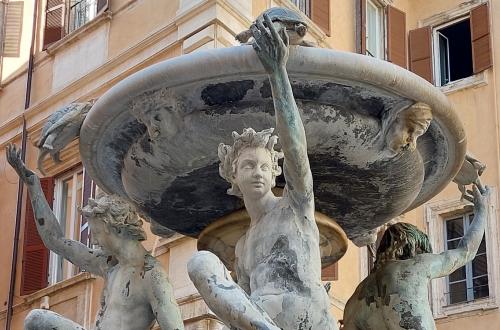
The most famous of the Roman fountains: a jewel of water and stone
Secondo la leggenda, la storia di Roma comincia proprio da qui

An unmissable opportunity to plan your own future in the field of Fashion
Rome is a perfect destination for tourism and in particular for school trips

The inestimable artistic heritage of Rome is the preferred destination for the many students who decide to benefit from the many cultural opportunities that the city offers
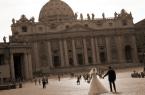
Rome is the perfect choice for a romantic and refined wedding, enriched by a millenary history

Tradition, sartorial mastery, and innovative technologies in a unique setting

Glamour, myth and beauty: a city where even fashion is a legend
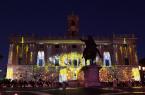
Beauty and art, magnificent spectators of a thousand-year history
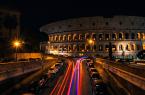
The endless opportunities for fun in Rome

Rome is the ideal destination for Tourism Business

Presentati al Convention Center La Nuvola i risultati di FUTOUROMA

How and where to see live sporting events

Come e dove allenare corpo e mente nella seconda capitale più verde d'Europa
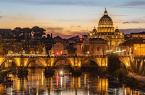
History, fascinating facts, and useful information to fully experience the magic of the Eternal City


Seven unusual itineraries to discover the city from new perspectives
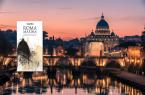
Stories, places, and secrets – a guidebook to an eternal city.

A puzzle of voices and experiences: bloggers explain Rome
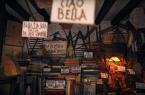
The collective novel that gives voice to the stories of people and places of an unknown Rome
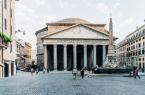
Reichtum, Prunk und Pracht, eingetaucht in die Magie der Geschichte
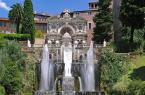
Entdecken Sie Tivoli und seine wunderschönen Villen


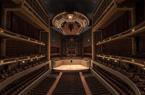

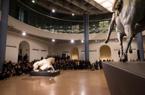

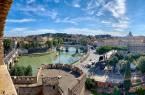
Un itinerario tra architetture millenarie e ardite visioni contemporanee
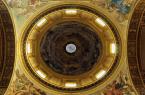
Rom, die ideale Kulisse für Meisterwerke des Kinos und große Melodien
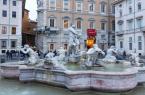
Eine Reise in die Museen der Piazza Navona und Umgebung

Eine Route für diejenigen, die nur wenig Zeit haben, um die Sehenswürdigkeiten Roms kennenzulernen

Rom erleben in drei intensive Tage
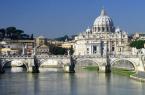
A perfect five day itinerary for an unforgettable Roman holiday

Indoor & outdoor activities and attractions

Discovering precious collections from prehistory to contemporary art

Die Küche von Roms: intensive, unverfälschte Aromen und eine starke Identität

Die Meeresseele Roms
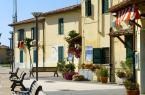
Aromen und alte Traditionen an einem Ort, an dem die Zeit still zu stehen scheint
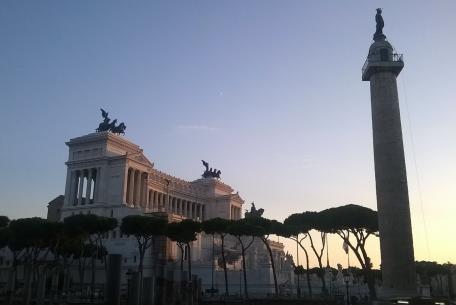
Im Jahr 1878, nur wenige Jahre nach der Vereinigung Italiens, beschloss das italienische Parlament, dem kürzlich verstorbenen König Vittorio Emanuele II.
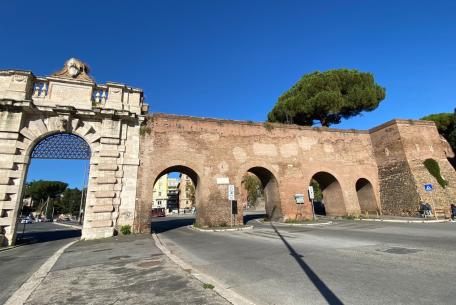
Die Aurelianischen Mauern umgeben noch immer das historische Zentrum Roms und sind die längste und am besten erhaltene Stadtmauer der Welt.
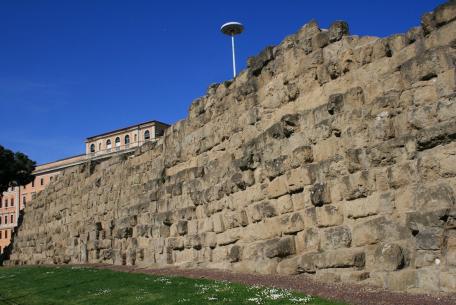
Die Mauern sind nach dem sechsten König von Rom, Servius Tullius, benannt, der sie in der Mitte des sechsten Jahrhunderts v. Chr. erbaut haben soll.
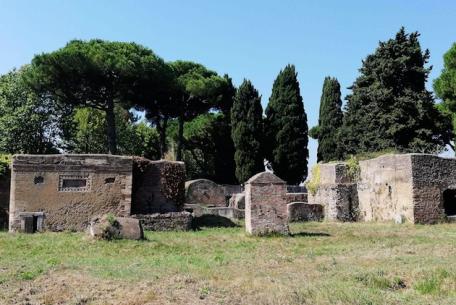
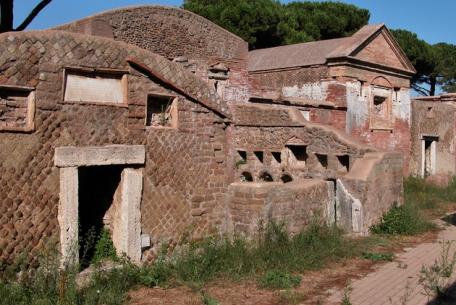
The Necropolis develops along the two sides of via Laurentina and a road connecting Ostia to the Pianabella area; later the tombs also occupied th
[...]
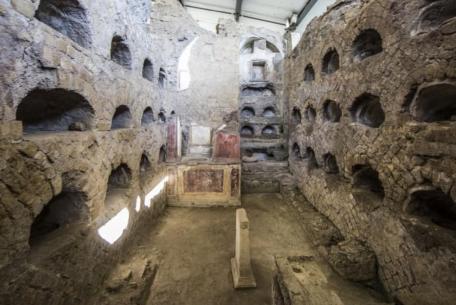
The necropolis, identified and excavated in the 1920s and 1930s, stands on the sides of via Flavia, which connected Porto (Portus) with Os
[...]
Die Nekropolis liegt an der Kreuzung via Ostiense und via delle Sette Chiese, in der Nähe der Kirche Sankt Paul vor den Mauern.

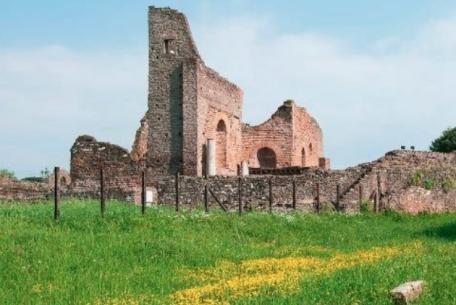
The Nymphaeum of the Uccelliera is an underground space built at the end of the 16th century, consisting of a staircase that rises, between marble mosaic-paved shelves, inside the retaining wall of
[...]
Das monumentale zweistöckige Nymphäum, das die Via Appia Antica überragt, war der eigentliche Einga
[...]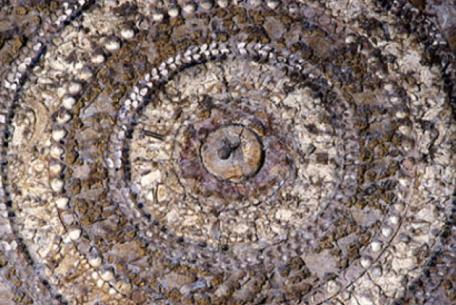
A nymphaeum (monumental fountain) dated back to the end of the first century BC and the beginning of the first century AD was discovered in 1895 during the works for the realization of Via degli An
[...]
Dieser Obelisk, der im Auftrag von Domitian ohne Inschriften von den Ausgrabungsstätten Assuan's gebracht wurde, wurde in Rom mit Originalinschriften in Hieroglyphen
[...]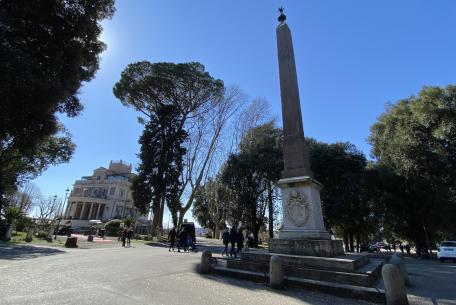
A few steps away from the terrace of the Pincio, one of the most evocative
[...]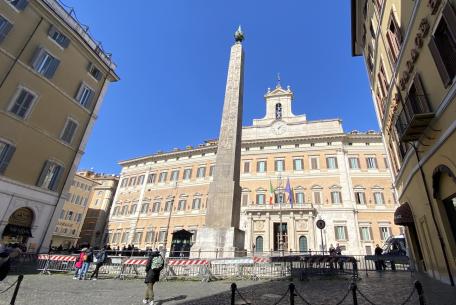
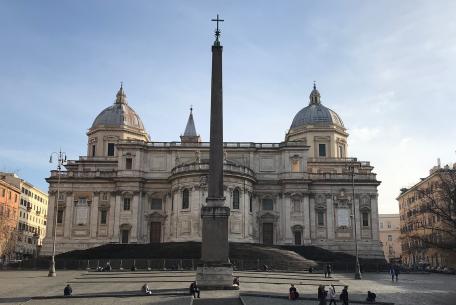
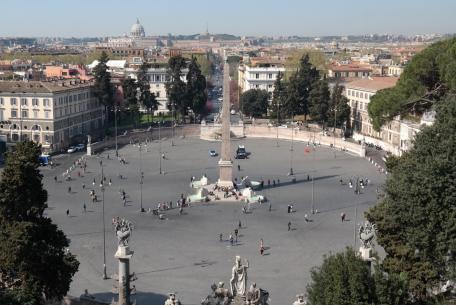
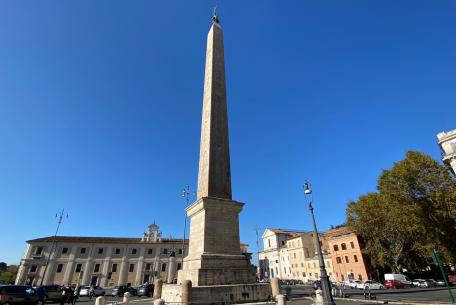
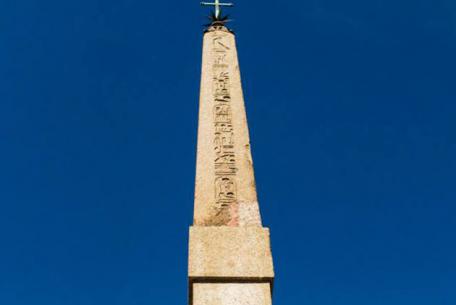
Together with the one visible today in the Villa Celimontana, it was originally erected in Heliopolis by Ramses II.

This small obelisk is made of red granite and is about 5 and a half meters high. The sides of the obelisk are decorated with a single column of inscriptions.
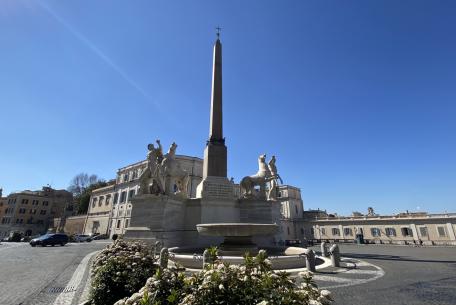
Similar to the Esquiline Obelisk - made of granite, about 15 metres high and without inscription
[...]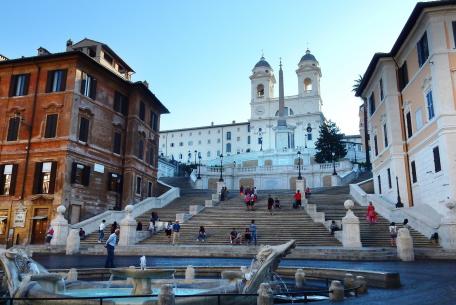
Located in front of the church of the Santissima Trinità dei Monti, right
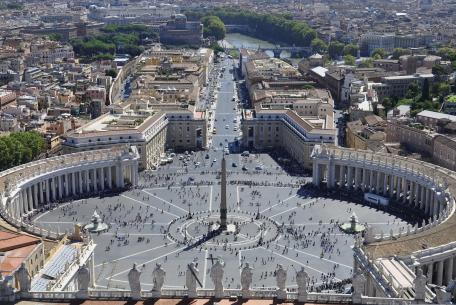
[...]
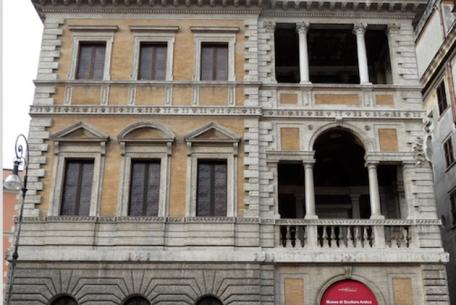
The elegant Renaissance building is located near Campo de’ Fiori and has been hosting, since 194
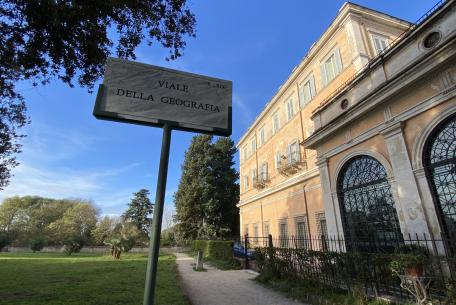
[...]
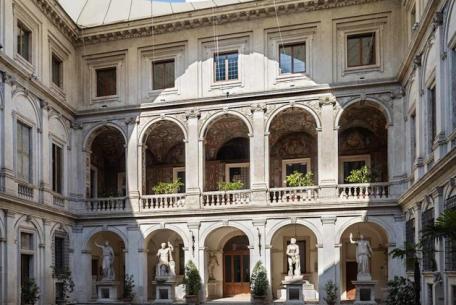
Altemps Palace is located near Piazza Navona and is one of the seats of the
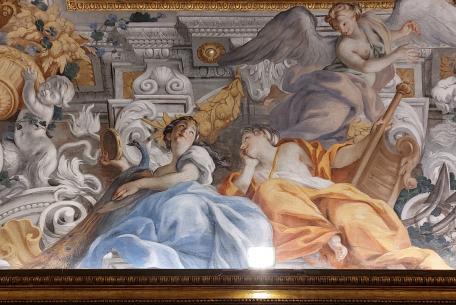
[...]
In the heart of Rome's historical centre, in the Rione Pigna, stands this magnificent example
[...]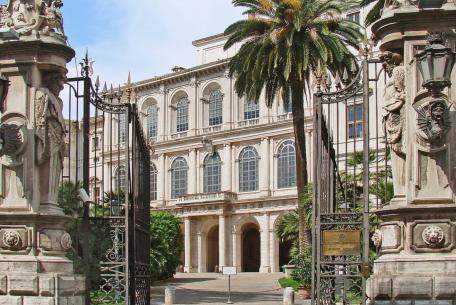
Today seat of the National Gallery of Ancient Art together with Palazzo Corsini, Palazzo Barberini is the
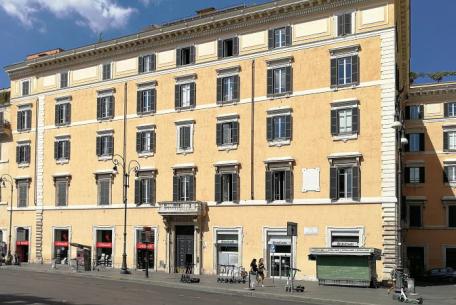
Der Palast wurde in mehreren Phasen auf den Resten der Agrippa-Thermen errichtet und liegt direkt gegenüber auf dem heutigen Largo di Torre Argentina.

Its principal façade is on Largo della Fontanella di Borghese, but the building occupies a large and irregular block between Via di Ripetta, Via dell’Arancio, Via di Monte d’Oro, V
[...]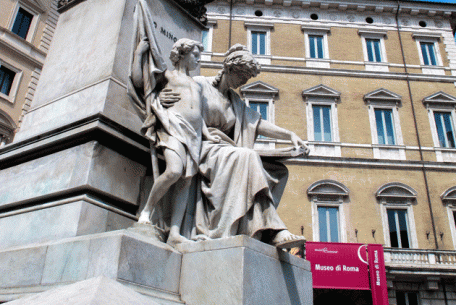
Palazzo Braschi is located in the city centre, between Piazza Navona and
[...]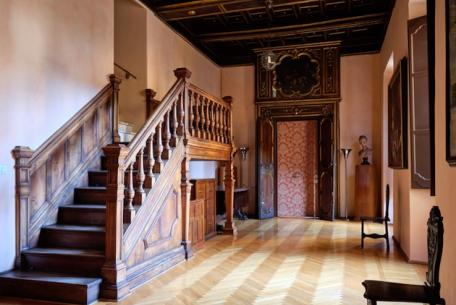
The building is located in via delle Botteghe Oscure, near Piazza Venezia.
Condividi
 Condividi
 Condividi
 Condividi
 Condividi
 Condividi
 Condividi